


Static elimination
Static electricity can cause significant problems in manufacturing processes, including damage to machinery and components, operational disruptions, dust accumulation, and discomfort for personnel. Eliminating static electricity helps improve product quality, reduce the risk of production downtime, and create a safer working environment.
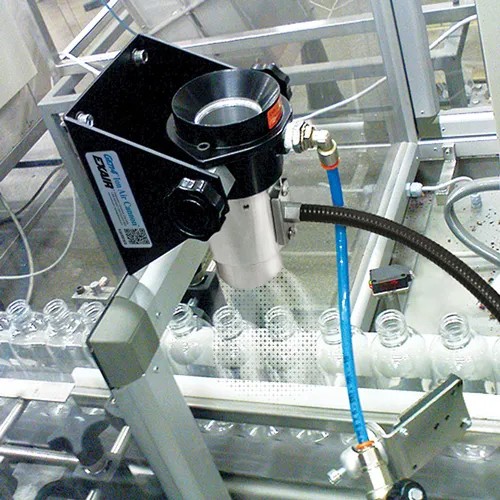

How does static electricity occur?
Static electricity occurs when electrical charges are transferred between materials, for example when surfaces rub against each other. As charges accumulate, they can be released through a sudden discharge. Depending on the application, this can affect both production processes and material handling.

How do you eliminate static electricity?
Static electricity can be reduced by controlling humidity, grounding equipment, and using antistatic materials. In industrial processes, ionization systems provide an effective solution by neutralizing static charges and contributing to safer and more reliable production.
How does static electricity affect industrial processes?
When the air is cold and dry, electrical charges are less easily dissipated. This can cause static electricity to build up on people and everyday objects. Touching a metal object or another person can then result in a small electric shock. It is also important to understand how static electricity can affect industrial processes and the problems it can cause.
Static electricity can cause significant problems in manufacturing processes, including damage to machinery and components, operational disruptions, dust accumulation, and discomfort for personnel. Eliminating static electricity helps improve product quality, reduce the risk of production downtime, and create a safer working environment.
Active or passive static elimination. What is the difference?
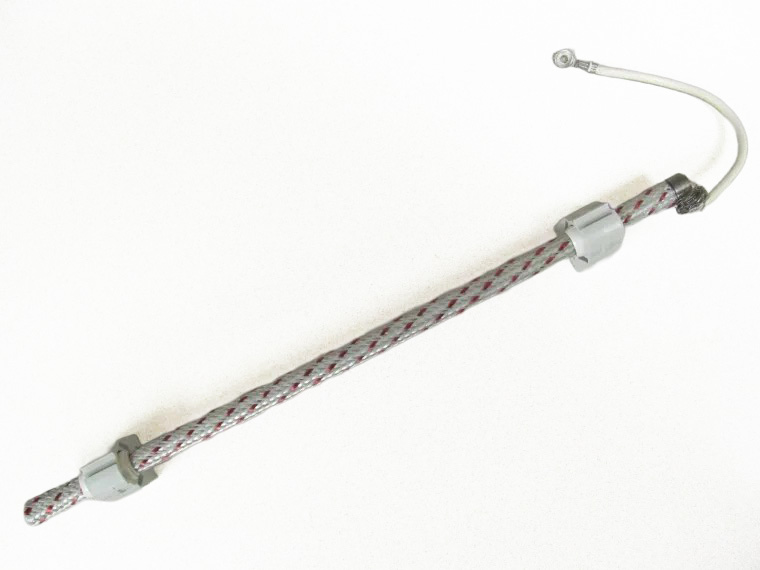
Passive static elimination bar
Passive Static Eliminator
This type of static elimination requires no power supply and has virtually no operating costs. However, the conductive material must remain in contact with the surface, often by dragging across it. This can cause wear over time, meaning the eliminator will eventually need to be replaced. It is therefore not entirely maintenance-free.
If the product is delicate, there is also a risk that the contact will damage the surface. Passive eliminators also tend to accumulate dust and dirt, which in turn can be transferred to the product. Finally, they may find it difficult to maintain contact with objects that have varying shapes or complex geometries.
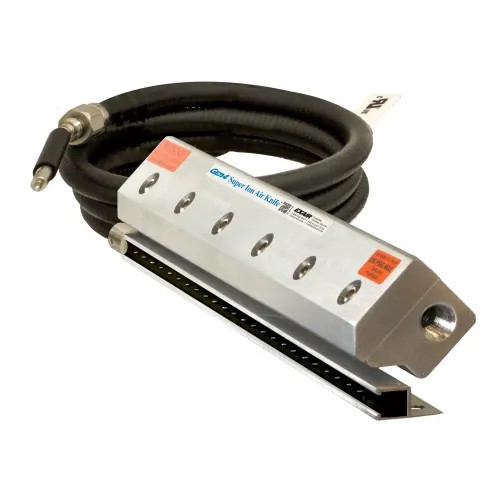
Active static elimination – Super Ion Air Knife
Active Static Elimination
Active static elimination offers several effective ways to neutralize static charges on a surface without physically contacting the product. This helps overcome many of the limitations associated with passive solutions.
For products with complex shapes, ionized airflow can be directed to reach all areas of the surface. Since no direct contact is required, there is no risk of the eliminator damaging the product's surface. This contact-free approach also reduces the risk of contaminating the product with dust or other particles from the equipment.
Compressed-air-powered static eliminators are also effective at removing dust and debris from surfaces. Active static eliminators are designed for long service life and do not wear down over time in the same way that passive solutions can.
More FAQs about static elimination
- How do I choose the right product to remove static electricity in my production?Read the full answer
Here is a brief summary of what you might want to consider to choose the most suitable product or solution to remove static electricity in your production process.
- Neutralising static electricity with or without compressed air? What is the difference?Read the full answer
To remove static electricity in production, you can choose between anti-static solutions that operate with or without compressed air.
- What type of static eliminator should I use?Read the full answer
Air static eliminators are ideal for hard-to-reach areas, surfaces with obstacles, products moving at high speed or materials with very high static charge. Examples of air assisted ionisers are: Super Ion Air Knife, Standard Ion Air Knife, Super Ion Air Wipe, Ion Air...
- Where should I place the ioniser in my process?Read the full answer
The most effective placement of an ioniser is usually just before the area of the process where the static electricity is causing problems, such as tearing, blocking or discharging towards personnel. In some cases, multiple ionisers may be needed in the same process, as static electricity can re-form...
Related products

Gen4 Super Ion Air Wipe
360° ionised airflow that effectively removes static electricity from pipes, cables, etc.
View product
Gen4 Super Ion Air Knife
Extra strong laminar airflow to remove static electricity.
View product
Gen4 Standard Ion Air Knife
Effective air knife to remove static electricity from plastic, paper sheets and other surfaces.
View product
Gen4 Ionising Bars
Ionising bars for neutralising static electricity.
View productProject review and proposed solution
In order to ensure that we deliver the optimal solution, it is important to carefully review the various factors that affect the choice of solution and product, the objective of the investment, and any requirements and wishes early on in the project.

A start-up meeting is important to find out about various factors that will affect choice of equipment and solution in order to achieve the most efficient and sustainable solution. We are happy to set up the start-up meeting as a web meeting or a site visit, depending on your preference. All details and information from the start-up meeting we will summarise and go through with you to make sure we agree on project scope and objective.
Next step, we present a proposed solution, focusing on function, lifespan, quality, choice of material, operating and maintenance costs, and environmental impact. Our goal is to deliver a sustainable solution that creates added value to your company,